
What Is Glass Fiber?
Fiberglass, also called fiber glass or glass-reinforced plastic (GRP), is a material made from very fine fibers of glass embedded in a resin. These fibers can be arranged into mats, woven into fabrics, or chopped into short strands for mixing with plastics. The resulting composite is lightweight yet very strong, making it ideal for many industrial and consumer applications.
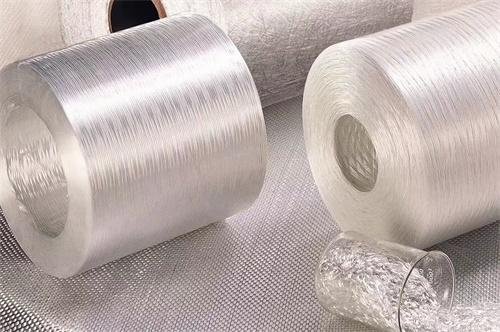
Visually, fiberglass can appear clear or opaque. It can be dyed in different colors, depending on the type of resin or coating used. Under a close-up view, the intricate network of fine glass strands resembles tiny threads woven together, which is why the material is so strong relative to its weight.

What Is Glass Fiber Made From?
The basic ingredients of fiberglass are surprisingly simple, yet the final product is extremely versatile. The primary raw materials include:
- Silica sand – the main component of glass.
- Limestone – helps in forming the glass structure.
- Soda ash – reduces the melting temperature of silica.
- Alumina – adds strength and durability.
- Other oxides – such as boron, magnesium, or zirconium, depending on the desired type of fiberglass.
- Resin – usually polyester, vinyl ester, or epoxy, which binds the fibers together.
The manufacturing process involves several steps. First, the raw materials are carefully blended and melted in a furnace at extremely high temperatures, typically around 1,500–1,700°C. The molten glass is then drawn through tiny holes to form fibers, which can be continuous filaments, chopped strands, or woven sheets. These fibers are coated with a chemical “sizing” to protect them during handling and to help them bond with resin. The density of fiberglass typically ranges from 2.4 to 2.76 g/cm³, though variations can occur depending on fiber thickness, resin content, and manufacturing process.
Why It’s an Important Material in Manufacturing
Fiberglass is a critical material in modern manufacturing because it combines lightweight properties with exceptional strength and durability. Unlike metals, it does not corrode, rust, or degrade when exposed to water, chemicals, or UV light. These features make it suitable for harsh environments, such as:
- Swimming pools and water tanks.
- Electrical and electronic components.
- Industrial machinery exposed to chemicals.
- Aerospace and automotive applications where weight savings are essential.
Its versatility also allows manufacturers to mold it into complex shapes without compromising strength, which is a huge advantage over traditional metals.
The Different Types of Fiberglass
There are many types of fiberglass, each engineered for specific uses. Here’s an overview of 12 key types:
- E-Glass (Electrical) – Commonly used in electrical insulation and aerospace. Offers good strength, moderate chemical resistance, and low cost.
- D-Glass (Dielectric) – Designed for low dielectric applications, suitable for appliances and electronic devices.
- R-Glass / T-Glass (High-Strength) – High tensile and impact strength, ideal for aerospace and defense industries.
- A-Glass (Alkali-Resistant & Recyclable) – Inexpensive, often used for bottles, windows, and general-purpose composites.
- Advantex – Acid and corrosion-resistant, suitable for mining, oil, and chemical processing equipment.
- ECR-Glass (Electrical Corrosion Resistant) – Heat and acid-resistant panels for building and industrial uses.
- C-Glass (Chemical Resistant) – Protects against chemical attack and impact, widely used for pipes and tanks.
- Z-Glass – Reinforcement mesh for concrete and structural applications.
- S2-Glass – High-performance textiles for aerospace and high-strength composites.
- AR-Glass (Alkali-Resistant) – Used in concrete to improve crack control and durability.
- M-Glass (Moderate Performance) – Flexible, commonly used in tableware and building materials.
- AE-Glass (Air Filtration) – Specialized for filtration applications in industrial and environmental equipment.
Key Attributes of Fiberglass
Fiberglass is prized for a combination of physical and chemical properties:
- High tensile strength – Studies show fiberglass can exceed steel in strength-to-weight ratio, making it ideal for reinforcement in construction.
- Electrical insulation – Non-conductive properties make it safe for electrical components.
- Non-combustible – Does not spread flames, produce smoke, or emit toxic gases.
- Dimensional stability – Low expansion rates, minimal warping or shrinking.
- Resistance to rot, insects, and rodents – Does not degrade naturally over time.
- Low thermal conductivity – Excellent for thermal insulation in buildings and industrial equipment.
What Is Fiber Glass Used for? – Industrial Applications
Fiberglass is used across many industries because of its combination of strength, durability, and lightweight nature:
- Manufacturing – Anti-slip grating in wet or oily areas, protective covers, and molded components.
- Metals and mining – Corrosion-resistant platforms, grating, and safety walkways.
- Power generation – Non-conductive components in tank farms, scrubbers, and cooling towers.
- Automotive – Body kits, panels, and structural components that reduce vehicle weight.
- Aerospace & defense – Ducting, enclosures, equipment housings, and high-strength composites.
- Docks and marinas – Grating and structures exposed to saltwater without corroding.
- Fountains and aquariums – Safety grating, supports, and protective barriers.
- Pulp and paper – Anti-slip flooring, corrosion-resistant machinery components.
Properties of Fiberglass
Mechanical Properties (Examples)
| Type | Density (g/cm³) | Tensile Strength (MPa) | Modulus (GPa) |
|---|---|---|---|
| E-Glass | 2.55 | 3450 | 72 |
| C-Glass | 2.48 | 2200 | 65 |
| S2-Glass | 2.48 | 4900 | 86 |
| AR-Glass | 2.50 | 2500 | 70 |
Physical Properties
Fiberglass is strong but lightweight, resistant to water absorption, and dimensionally stable. Close-up images often show the fine, continuous network of fibers.
Chemical Properties
Fiberglass generally resists acids, alkalis, bleach, and solvents, depending on the type of glass and resin used. For example, C-Glass is highly resistant to chemical attack, while E-Glass provides moderate resistance suitable for most industrial applications.
What Is Fiberglass Used For?
Fiberglass is an extremely versatile material used in many industries thanks to its strength, lightweight nature, and resistance to chemicals, water, and heat. Here are the main applications:
- Composites and FRP – Fiberglass is combined with resin and other fillers to create strong, lightweight composites and fibre-reinforced plastics (FRP). These are widely used for making swimming pools, spas, bathroom fittings, vehicle components for cars, trucks, and caravans, as well as signs, artwork, tanks, vessels, and pipelines.
- Insulation – Glass fiber is excellent at blocking heat and sound. It’s used in thermal and acoustic insulation products, including batts, rolls, and blown-in insulation for homes, offices, and industrial buildings.
- Roofing – Fiberglass-reinforced polyester (GRP) is a popular choice for roofs because it is strong, lightweight, and corrosion-resistant. It can be molded into different shapes and sizes to fit many roof designs, making it practical for both residential and commercial buildings.
- Construction and Concrete – Fiberglass is widely used as a reinforcing material in concrete, plaster, and other building materials. It strengthens slabs, bridges, facades, and other infrastructure, reducing cracking and extending the life of structures.
- Electrical Insulation – Fiberglass yarn is woven into fabrics to make electrical insulators. Because it is non-conductive and durable, it safely protects wires and components while withstanding heat, wear, and tear.
- Chemical Industry – Fiberglass resists corrosion and chemical attack, making it ideal for storage tanks, pipes, filters, and other equipment that come into contact with harsh chemicals.
- Manufacturing and Industrial Safety – Fiberglass grating is commonly used in factories, wet or oily areas, and heavy machinery zones because it is anti-slip, corrosion-resistant, and durable.
- Metals and Mining – Corrosion-resistant fiberglass grating is used in platforms, walkways, and staircases, providing long-lasting safety in harsh environments.
- Power Generation – Fiberglass components are used around tank farms, scrubbers, and other areas requiring non-conductive materials for safety.
- Automotive – Body kits, panels, and various components are reinforced with fiberglass to reduce weight while maintaining strength.
- Aerospace & Defense – Fiberglass is used in ducting, enclosures, and test equipment because it is strong, lightweight, and corrosion-resistant.
- Docks and Marinas – Fiberglass grating and structures can withstand saltwater without corroding, making it ideal for piers, walkways, and marina platforms.
- Fountains and Aquariums – Supports, protective barriers, and safety gratings are made from fiberglass for long-lasting durability in water-exposed areas.
- Pulp and Paper Industry – Anti-slip, corrosion-resistant fiberglass grating and components are widely used to improve safety and equipment longevity.

Advantages and Disadvantages of Fiber Glass in Concrete
Advantages
- High tensile strength – Fiberglass can exceed steel in strength-to-weight ratio.
- Lightweight – Easier to transport, install, and shape.
- Weather and chemical-resistant – Can endure harsh environmental conditions.
- Non-conductive – Safe for electrical applications.
- Durable – Long-lasting, resistant to rot and corrosion.
Disadvantages
- Expensive – Higher upfront cost compared to traditional materials.
- Non-biodegradable – Environmental disposal challenges.
- Hazardous to handle – Fine glass fibers can irritate skin, eyes, and lungs; proper PPE is required.
- Fades in sunlight – Prolonged UV exposure may degrade resin coatings, reducing aesthetic appeal.
Fiberglass has truly transformed modern manufacturing. Its unique combination of strength, light weight, chemical resistance, and versatility allows it to replace metals in many applications, from aerospace to marine to construction. While it does have some drawbacks, proper handling, UV protection, and recycling measures can mitigate most disadvantages. For any manufacturer looking to innovate with lightweight, durable materials, fiberglass remains an indispensable option.
Conclusion
Fiberglass is a remarkable material that combines strength, lightweight design, and versatility. From reinforcing concrete in construction to providing insulation, corrosion resistance, and safety in industrial settings, its applications span nearly every industry. Whether in aerospace, automotive, marine, or chemical processing, fiberglass delivers durability, fire resistance, and long-term performance that many traditional materials cannot match.
While it has some drawbacks—such as higher cost, careful handling requirements, and limited biodegradability—its advantages often outweigh the disadvantages, making it a preferred choice for modern manufacturing and infrastructure projects. As technology and manufacturing processes continue to evolve, fiberglass will remain an essential material, offering innovative solutions for building safer, stronger, and more sustainable products and structures.


 EN
EN  AR
AR  ES
ES  FR
FR  RU
RU  PT
PT  ID
ID  JA
JA  TR
TR  KO
KO