
Concrete is one of the most important building materials in the world. It is used in houses, high-rise buildings, bridges, tunnels, roads, basements, and many other structures. Concrete is strong and reliable, but it is not perfect. Over time, it can crack, allow water to seep in, and lose strength under harsh conditions.
To improve concrete performance, builders often add special materials into the mix. One effective and practical solution is polyester fiber for concrete. This small material can make a big difference in strength, crack control, and waterproof performance.
In this article, we will explain in simple terms what polyester fiber concrete is, how it works, and why it is a smart choice for modern construction projects.
What Is Polyester?
Polyester is a type of synthetic material made from chemical compounds derived mainly from petroleum. It is one of the most widely used man-made fibers in the world. You can find polyester in clothing, home textiles, carpets, ropes, packaging materials, and many industrial products.
In simple terms, polyester is a strong and durable plastic material that can be shaped into fine fibers. These fibers are lightweight but tough. They resist water, do not rot, and are not easily damaged by chemicals or sunlight. Because of these properties, polyester is suitable for both everyday products and heavy industrial applications.
When used in construction, polyester is cut into short fibers and added to materials like concrete. Unlike natural fibers, polyester does not absorb much water and does not break down over time. This makes it a reliable choice for improving durability and long-term performance in building materials.
Thanks to its strength, stability, and low cost, polyester has become one of the most important synthetic fibers in modern industry.
What Is Polyester Fiber Reinforced Concrete?
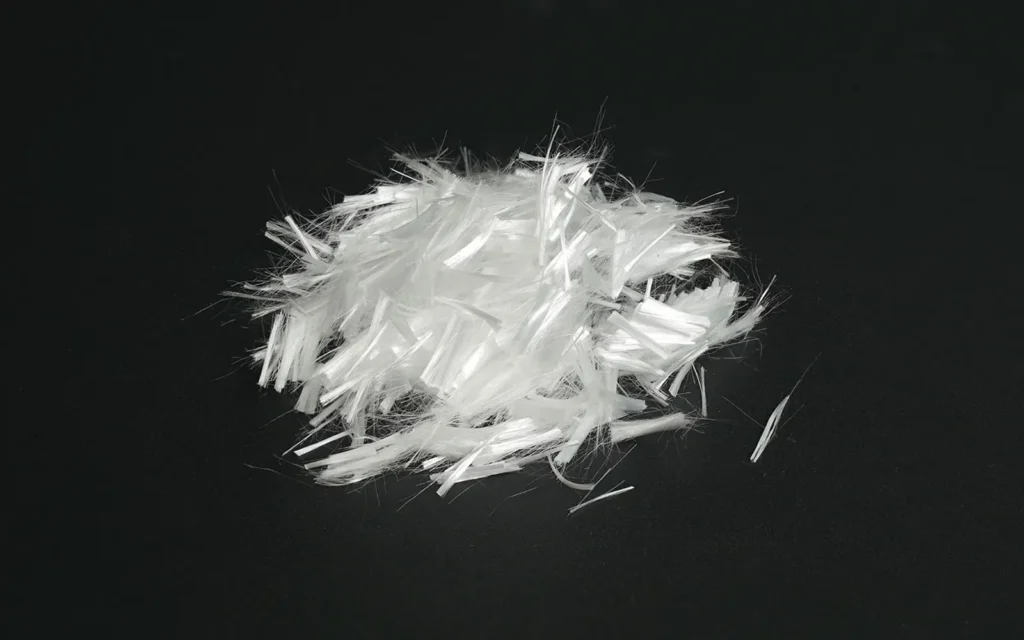
Polyester fiber reinforced concrete is made by adding short-cut polyester fibers into normal concrete. These fibers are very small and are mixed evenly throughout the concrete.
Most construction polyester fibers are around 6 mm long. They are light, strong, and resistant to water and chemicals. Once mixed into concrete, they spread in all directions and create a small internal network.
You can think of polyester fibers like tiny threads inside the concrete. They help hold the material together when stress or cracks start to appear.
Why Does Concrete Crack?
Concrete is very strong when it is being compressed, such as when supporting weight from above. However, it is not very strong when being pulled apart or stretched. During drying, temperature changes, or heavy loads, small cracks can form inside the concrete.
These small cracks may not look serious at first, but over time they can grow larger. When cracks grow, water can enter the structure. In cold weather, water can freeze and expand, making cracks even worse. In underground structures, constant moisture can damage concrete and shorten its service life.
This is why crack control is very important in construction.
How Polyester Fiber Helps Control Cracks?
When polyester fiber is added to concrete, it helps stop cracks from spreading. The fibers act like tiny bridges across small cracks. When a crack starts to form, the fibers help hold the two sides together.
Instead of one large crack forming, the stress is spread more evenly. This makes the concrete stronger and more stable over time.
Polyester fiber does not replace steel reinforcement bars, but it works together with them. Steel bars handle large structural loads, while polyester fibers help control small cracks and improve overall durability.
Improvement in Compressive Strength
Compressive strength means how much weight concrete can support before it breaks. This is one of the most important measurements in construction.
When the right amount of polyester fiber is added, concrete can become slightly stronger in compression. The fibers help make the internal structure more uniform and reduce weak spots.
The improvement in compressive strength is usually moderate, but it is meaningful. More importantly, the concrete becomes tougher and less likely to fail suddenly.
However, it is very important to use the correct amount of fiber. Too little fiber may not show clear results. Too much fiber can make the concrete harder to mix and may reduce workability. In most cases, about 0.03% by volume is a practical and effective dosage.
Better Waterproof Performance
Water penetration is a common problem in many structures. Basements, underground parking garages, tunnels, and water tanks are often exposed to moisture.
When cracks form in concrete, water can pass through them easily. Over time, this can cause leakage, corrosion of steel reinforcement, and structural damage.
Polyester fiber helps reduce this risk by limiting crack width and reducing the number of connected cracks inside the concrete. When cracks are smaller and fewer, water has a harder time passing through.
This means improved waterproof performance and longer service life. For structures exposed to water, this benefit is especially important.
Does Polyester Fiber Affect Construction?
Adding polyester fiber may slightly reduce the flow of fresh concrete. The mixture can feel a little less fluid because the fibers increase internal friction.
However, this is easy to manage. By adjusting the mix design or using a suitable superplasticizer, contractors can keep the concrete workable and easy to pour.
The mixing process itself is simple. The fibers are added during batching and mix evenly using standard equipment. No special tools or complicated steps are required. This makes polyester fiber concrete practical for both ready-mix plants and on-site mixing.
Recommended Dosage for Best Results
When using polyester fiber in concrete, balance is very important. Adding too much fiber does not mean better performance. In fact, excessive fiber can cause mixing problems and reduce density.
For most applications, around 0.03% by volume is a commonly recommended dosage. At this level, concrete can achieve:
- Better crack control
- Improved compressive strength
- Stronger waterproof performance
- Stable workability
This dosage also keeps material costs under control, making it suitable for large projects.
Different manufacturers may recommend different dosage ranges for their products. For this reason, it is always best to follow the technical data sheet provided by the supplier and, if possible, conduct trial mixes before large-scale use.

Common Applications of Polyester Fiber Concrete
Polyester fiber reinforced concrete is widely used in projects where durability and crack control matter most. These include:
- Asphalt Concrete
- Basement slabs and walls
- Underground parking structures
- Water tanks and reservoirs
- Tunnel linings
- Industrial floors
- Foundations in wet soil conditions
In these applications, reducing cracks and preventing water penetration are key to long-term performance.
Advantages of Polyester Fiber
Polyester fiber offers several clear advantages in construction.
It does not rust, even in wet environments. It is lightweight and easy to transport. It mixes easily and spreads evenly in concrete. It does not add significant weight to the structure. It is also cost-effective compared to many other reinforcement materials.
Because of these benefits, polyester fiber has become a popular choice for improving concrete durability in many countries.
A Smart Choice for Durable Concrete
Modern construction requires materials that last longer and require less maintenance. Repairing cracked or leaking concrete can be expensive and time-consuming. By improving concrete quality from the beginning, builders can reduce future problems.
Polyester fiber is a simple but effective way to upgrade concrete performance. It strengthens the internal structure, controls cracking, and improves waterproof ability without complicating construction.
For contractors, developers, and engineers looking for a practical solution to improve concrete durability, polyester fiber reinforcement is a reliable and economical option.
Final Thoughts
Polyester fiber in concrete is not a complicated technology. It is a simple improvement that delivers real benefits. With proper dosage and mix design, it can increase compressive strength, reduce cracking, and improve waterproof performance.
As construction standards continue to rise, polyester fiber reinforced concrete is becoming an important part of modern building materials. If you want stronger, more durable, and longer-lasting concrete, polyester fiber is a solution worth considering.


 EN
EN  AR
AR  ES
ES  FR
FR  RU
RU  PT
PT  ID
ID  JA
JA  TR
TR  KO
KO