
ग्लास फायबर म्हणजे काय?
फाइबरग्लास, ज्याला फायबर ग्लास किंवा काचा-प्रबलित प्लास्टिक (GRP), हे रॅझिनमध्ये बुडवलेल्या अतिशय बारीक काचेच्या तंतूंपासून बनवलेले एक साहित्य आहे. हे तंतू मॅट्समध्ये मांडता येतात, कापडात विणता येतात किंवा प्लास्टिकमध्ये मिसळण्यासाठी लहान तुकड्यांमध्ये कापता येतात. परिणामी तयार होणारे कंपोझिट हलके असूनही खूप मजबूत असते, ज्यामुळे ते अनेक औद्योगिक आणि ग्राहक अनुप्रयोगांसाठी आदर्श ठरते.
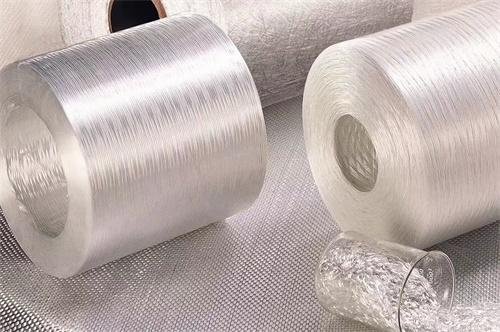
दृश्यरित्या, फायबरग्लास पारदर्शक किंवा अपारदर्शक दिसू शकतो. वापरल्या जाणाऱ्या रेझिन किंवा कोटिंगच्या प्रकारानुसार त्याला विविध रंगात रंगवता येते. निकटवर्धित दृश्यात, सूक्ष्म काचेच्या तंतूंच्या गुंतागुंतीच्या जाळ्या एकत्र विणलेल्या लहान धाग्यांसारख्या दिसतात, ज्यामुळे हे साहित्य त्याच्या वजनाच्या तुलनेत इतके मजबूत असते.

ग्लास फायबर कायपासून बनवले जाते?
फाइबरग्लासचे मूलभूत घटक आश्चर्यकारकपणे सोपे आहेत, तरीही अंतिम उत्पादन अत्यंत बहुपयोगी आहे. प्राथमिक कच्च्या मालामध्ये समाविष्ट आहेत:
- सिलिका वाळू – काचेचा मुख्य घटक.
- चूना दगड – काचेची संरचना तयार करण्यात मदत करते.
- सोडा राख – सिलिकाचे वितळण्याचे तापमान कमी करते.
- अल्युमिना – मजबुती आणि टिकाऊपणा वाढवते.
- इतर ऑक्साइड – जसे की बोरॉन, मॅग्नेशियम, किंवा झिरकोनियम, इच्छित फायबरग्लासच्या प्रकारानुसार.
- राळ – सहसा पॉलिस्टर, विनाइल एस्टर किंवा एपॉक्सी, जे तंतूंना एकत्र बांधते.
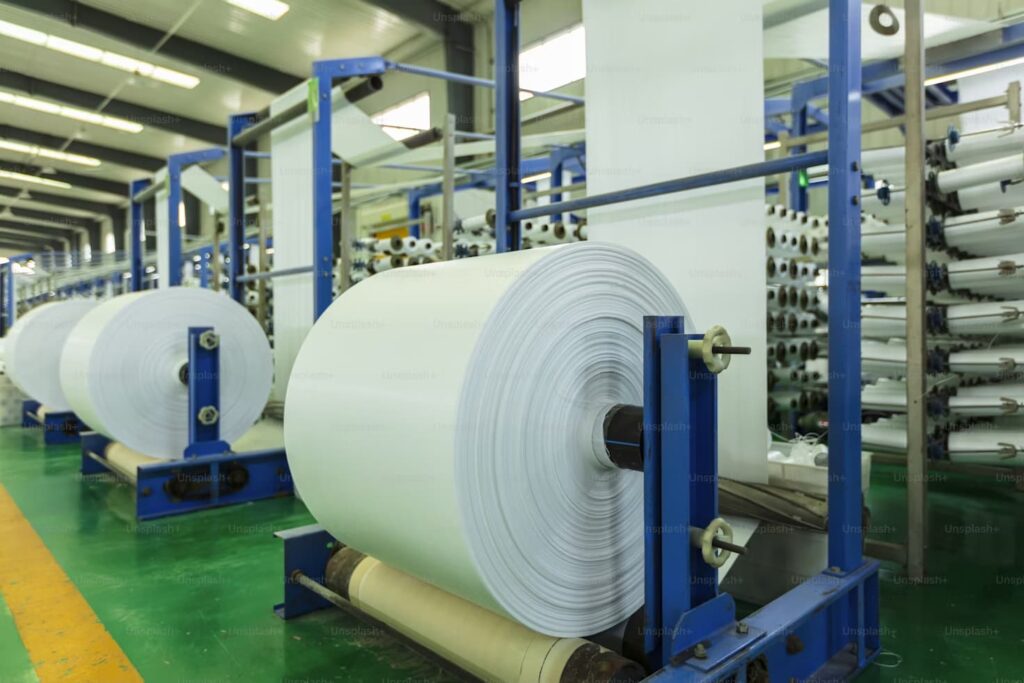
उत्पादन प्रक्रियेत अनेक टप्पे असतात. प्रथम, कच्च्या मालाला काळजीपूर्वक मिसळून अत्यंत उच्च तापमानावर, साधारणपणे १५००–१७००°C, भट्टीत वितळवले जाते. त्यानंतर वितळलेले काच सूक्ष्म छिद्रांमधून ओतले जाते, ज्यामुळे तंतू तयार होतात, जे सततचे तंतू, तुटलेले तंतू किंवा विणलेल्या पत्र्यांच्या स्वरूपात असू शकतात. हाताळणीदरम्यान संरक्षण करण्यासाठी आणि राळीशी बंधन घट्ट करण्यासाठी या तंतूंना रासायनिक “साइझिंग”चा लेप दिला जातो. फायबरग्लासची घनता सामान्यतः पासून असते 2.4 ते 2.76 ग्रॅम प्रति घन सेमी, जरी फायबरच्या जाडी, राळ सामग्री आणि उत्पादन प्रक्रियेनुसार बदल होऊ शकतात.
उत्पादनात हे का एक महत्त्वाचे साहित्य आहे
फायबरग्लास हे आधुनिक उत्पादनात एक महत्त्वपूर्ण साहित्य आहे कारण ते एकत्र करते हलक्या वजनाचे गुणधर्म सह असाधारण ताकद आणि टिकाऊपणा. धातूंच्या विपरीत, ते पाणी, रसायने किंवा अल्ट्राव्हायोलेट किरणांच्या संपर्कात आल्यावर गंजत नाही, झीजत नाही किंवा खराब होत नाही. या वैशिष्ट्यांमुळे ते कठोर वातावरणासाठी योग्य ठरते, जसे की:
- स्विमिंग पूल आणि पाण्याच्या टाक्या.
- विद्युत् आणि इलेक्ट्रॉनिक घटक.
- रासायनिक पदार्थांच्या संपर्कात आलेली औद्योगिक यंत्रसामग्री.
- ज्यामध्ये वजन बचत अत्यावश्यक आहे अशा एरोस्पेस आणि ऑटोमोटिव्ह अनुप्रयोगांमध्ये.
त्याची बहुपयोगिता उत्पादकांना ताकद न गमावता त्याला जटिल आकारांत ढालण्याची परवानगी देते, जे पारंपारिक धातूंपेक्षा मोठा फायदा आहे.
फाइबरग्लासचे विविध प्रकार
फायबरग्लासचे अनेक प्रकार आहेत, प्रत्येक विशिष्ट वापरासाठी तयार केलेले. येथे त्यांचा आढावा आहे 12 प्रमुख प्रकार:
- ई-ग्लास (विद्युत) – सामान्यतः विद्युत् इन्सुलेशन आणि एरोस्पेसमध्ये वापरले जाते. चांगली ताकद, मध्यम रासायनिक प्रतिकार आणि कमी किंमत प्रदान करते.
- डी-ग्लास (विद्युत्रोधक) – कमी डायइलेक्ट्रिक अनुप्रयोगांसाठी डिझाइन केलेले, उपकरणे आणि इलेक्ट्रॉनिक उपकरणांसाठी योग्य.
- आर-ग्लास / टी-ग्लास (उच्च-शक्ती) – उच्च ताण आणि आघात तोंड देण्याची क्षमता, वैमानिक आणि संरक्षण उद्योगांसाठी आदर्श.
- ए-ग्लास (क्षार-प्रतिरोधक व पुनर्नवीनीकरणक्षम) – स्वस्त, बहुतेकदा बाटल्या, खिडक्या आणि सामान्य हेतूच्या कंपोझिटसाठी वापरले जाते.
- अॅडव्हान्टेक्स – आम्ल आणि गंज-प्रतिरोधक, खाणकाम, तेल आणि रासायनिक प्रक्रिया उपकरणांसाठी योग्य.
- ईसीआर-ग्लास (विद्युत् गंज प्रतिरोधक) – इमारती आणि औद्योगिक वापरासाठी उष्णता व आम्ल-प्रतिरोधक पॅनेल.
- सी-ग्लास (रसायनांना प्रतिकार करणारे) – Protects against chemical attack and impact, widely used for pipes and tanks.
- Z-Glass – Reinforcement mesh for concrete and structural applications.
- S2-Glass – High-performance textiles for aerospace and high-strength composites.
- AR-Glass (Alkali-Resistant) – Used in concrete to improve crack control and durability.
- M-Glass (Moderate Performance) – Flexible, commonly used in tableware and building materials.
- AE-Glass (Air Filtration) – Specialized for filtration applications in industrial and environmental equipment.
Key Attributes of Fiberglass
Fiberglass is prized for a combination of physical and chemical properties:
- उच्च ताण क्षमता – Studies show fiberglass can exceed steel in strength-to-weight ratio, making it ideal for reinforcement in construction.
- Electrical insulation – Non-conductive properties make it safe for electrical components.
- Non-combustible – Does not spread flames, produce smoke, or emit toxic gases.
- Dimensional stability – Low expansion rates, minimal warping or shrinking.
- Resistance to rot, insects, and rodents – Does not degrade naturally over time.
- Low thermal conductivity – Excellent for thermal insulation in buildings and industrial equipment.
What Is Fiber Glass Used for? – Industrial Applications
Fiberglass is used across many industries because of its combination of strength, durability, and lightweight nature:
- Manufacturing – Anti-slip grating in wet or oily areas, protective covers, and molded components.
- Metals and mining – Corrosion-resistant platforms, grating, and safety walkways.
- Power generation – Non-conductive components in tank farms, scrubbers, and cooling towers.
- Automotive – Body kits, panels, and structural components that reduce vehicle weight.
- Aerospace & defense – Ducting, enclosures, equipment housings, and high-strength composites.
- Docks and marinas – Grating and structures exposed to saltwater without corroding.
- Fountains and aquariums – Safety grating, supports, and protective barriers.
- Pulp and paper – Anti-slip flooring, corrosion-resistant machinery components.
Properties of Fiberglass
Mechanical Properties (Examples)
| Type | Density (g/cm³) | Tensile Strength (MPa) | Modulus (GPa) |
|---|---|---|---|
| E-Glass | 2.55 | 3450 | 72 |
| C-Glass | 2.48 | 2200 | 65 |
| S2-Glass | 2.48 | 4900 | 86 |
| AR-Glass | 2.50 | 2500 | 70 |
Physical Properties
Fiberglass is strong but lightweight, resistant to water absorption, and dimensionally stable. Close-up images often show the fine, continuous network of fibers.
Chemical Properties
Fiberglass generally resists acids, alkalis, bleach, and solvents, depending on the type of glass and resin used. For example, C-Glass is highly resistant to chemical attack, while E-Glass provides moderate resistance suitable for most industrial applications.
What Is Fiberglass Used For?
Fiberglass is an extremely versatile material used in many industries thanks to its strength, lightweight nature, and resistance to chemicals, water, and heat. Here are the main applications:
- Composites and FRP – Fiberglass is combined with resin and other fillers to create strong, lightweight composites and fibre-reinforced plastics (FRP). These are widely used for making swimming pools, spas, bathroom fittings, vehicle components for cars, trucks, and caravans, as well as signs, artwork, tanks, vessels, and pipelines.
- Insulation – Glass fiber is excellent at blocking heat and sound. It’s used in thermal and acoustic insulation products, including batts, rolls, and blown-in insulation for homes, offices, and industrial buildings.
- Roofing – Fiberglass-reinforced polyester (GRP) is a popular choice for roofs because it is strong, lightweight, and corrosion-resistant. It can be molded into different shapes and sizes to fit many roof designs, making it practical for both residential and commercial buildings.
- Construction and Concrete – Fiberglass is widely used as a reinforcing material in concrete, plaster, and other building materials. It strengthens slabs, bridges, facades, and other infrastructure, reducing cracking and extending the life of structures.
- Electrical Insulation – Fiberglass yarn is woven into fabrics to make electrical insulators. Because it is non-conductive and durable, it safely protects wires and components while withstanding heat, wear, and tear.
- Chemical Industry – Fiberglass resists corrosion and chemical attack, making it ideal for storage tanks, pipes, filters, and other equipment that come into contact with harsh chemicals.
- Manufacturing and Industrial Safety – Fiberglass grating is commonly used in factories, wet or oily areas, and heavy machinery zones because it is anti-slip, corrosion-resistant, and durable.
- Metals and Mining – Corrosion-resistant fiberglass grating is used in platforms, walkways, and staircases, providing long-lasting safety in harsh environments.
- Power Generation – Fiberglass components are used around tank farms, scrubbers, and other areas requiring non-conductive materials for safety.
- Automotive – Body kits, panels, and various components are reinforced with fiberglass to reduce weight while maintaining strength.
- Aerospace & Defense – Fiberglass is used in ducting, enclosures, and test equipment because it is strong, lightweight, and corrosion-resistant.
- Docks and Marinas – Fiberglass grating and structures can withstand saltwater without corroding, making it ideal for piers, walkways, and marina platforms.
- Fountains and Aquariums – Supports, protective barriers, and safety gratings are made from fiberglass for long-lasting durability in water-exposed areas.
- Pulp and Paper Industry – Anti-slip, corrosion-resistant fiberglass grating and components are widely used to improve safety and equipment longevity.

Advantages and Disadvantages of Fiber Glass in Concrete
Advantages
- उच्च ताण क्षमता – Fiberglass can exceed steel in strength-to-weight ratio.
- Lightweight – Easier to transport, install, and shape.
- Weather and chemical-resistant – Can endure harsh environmental conditions.
- Non-conductive – Safe for electrical applications.
- Durable – Long-lasting, resistant to rot and corrosion.
Disadvantages
- Expensive – Higher upfront cost compared to traditional materials.
- Non-biodegradable – Environmental disposal challenges.
- Hazardous to handle – Fine glass fibers can irritate skin, eyes, and lungs; proper PPE is required.
- Fades in sunlight – Prolonged UV exposure may degrade resin coatings, reducing aesthetic appeal.
Fiberglass has truly transformed modern manufacturing. Its unique combination of strength, light weight, chemical resistance, and versatility allows it to replace metals in many applications, from aerospace to marine to construction. While it does have some drawbacks, proper handling, UV protection, and recycling measures can mitigate most disadvantages. For any manufacturer looking to innovate with lightweight, durable materials, fiberglass remains an indispensable option.
निष्कर्ष
Fiberglass is a remarkable material that combines strength, lightweight design, and versatility. From reinforcing concrete in construction to providing insulation, corrosion resistance, and safety in industrial settings, its applications span nearly every industry. Whether in aerospace, automotive, marine, or chemical processing, fiberglass delivers durability, fire resistance, and long-term performance that many traditional materials cannot match.
While it has some drawbacks—such as higher cost, careful handling requirements, and limited biodegradability—its advantages often outweigh the disadvantages, making it a preferred choice for modern manufacturing and infrastructure projects. As technology and manufacturing processes continue to evolve, fiberglass will remain an essential material, offering innovative solutions for building safer, stronger, and more sustainable products and structures.


