
Foundation cracks. Uneven settling. These nightmares haunt every builder and homeowner. But here’s a secret: fiber-reinforced concrete can solve these problems. With the right thickness, it ensures durability, strength, and crack resistance. But how thick is thick enough? Let’s dive in!
The thickness of fiber-reinforced concrete for a foundation depends on factors like soil type, building load, and fiber type. Generally, residential foundations require a minimum thickness of 4-6 inches, while heavier structures may need up to 12 inches. Fibers enhance the tensile strength, reducing the need for extreme thickness.
Wondering how fibers impact the thickness? Or how to calculate the perfect depth? Stick with me, and let’s explore the nitty-gritty of fiber-reinforced concrete foundations.
Why Does Thickness Matter for a Foundation?
1. What happens if the foundation is too thin?
A thin foundation can’t bear the load, leading to cracks and potential collapse. Fiber reinforcement reduces cracking but can’t compensate for inadequate thickness.
2. Can too much thickness cause problems?
Yes! Overly thick foundations increase costs without significant benefits and may delay curing time unnecessarily. Balance is key.
3. How do fibers change the equation?
Fibers distribute stress, allowing for thinner, more effective slabs without compromising strength. They’re especially helpful in areas with poor soil conditions.
How to Determine the Right Thickness?
Understand the Load
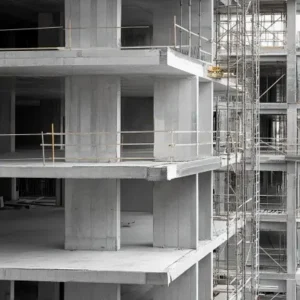
The thickness depends on the weight the foundation needs to support. A small residential home might only need 4-6 inches, while industrial buildings require more.
Soil Type
Clay and loose soils need thicker slabs to prevent uneven settling. Fiber-reinforced concrete helps, but soil conditions are still crucial.
Loại sợi
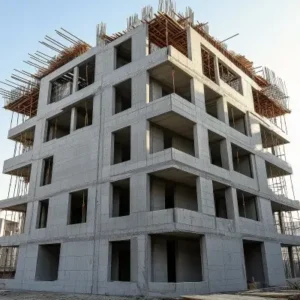
The type of fiber—polypropylene, steel, or glass—affects the thickness. Steel fibers, for instance, allow for thinner slabs while maintaining strength.
Common Scenarios and Their Requirements
Residential Foundations
For single-family homes, a 4-6 inch slab works well. Adding polypropylene fibers minimizes shrinkage cracks and ensures durability.
Commercial Floors
Warehouses and commercial spaces may need 8-10 inches due to heavier loads. Steel fibers are ideal for these applications.
Industrial Projects
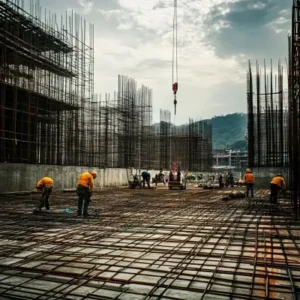
For high-load applications like factories, 10-12 inches with a combination of steel and sợi thủy tinh ensures maximum performance.
Frequently Asked Questions About Fiber-Reinforced Concrete Thickness
1. How do I calculate the thickness for my project?
Consider load, soil type, and fiber type. Tools like structural engineering software can help.
2. Can fibers replace traditional reinforcement entirely?
In some cases, yes. Fibers enhance tensile strength, allowing for reduced or eliminated steel reinforcement.
3. Does fiber-reinforced bê tông cure differently?
It cures similarly, but fibers improve resistance to shrinkage cracks during curing.
4. Are thicker slabs always better?
No. While thicker slabs add strength, they also increase costs and curing time unnecessarily. Balance is key.
5. How do fibers affect cost?
Though fibers may add to upfront costs, they reduce long-term maintenance and repairs, making them cost-effective.
How Fiberego Can Help
At Fiberego, we specialize in fibers that transform concrete. Whether you need polypropylene for residential foundations or steel fibers for heavy-duty projects, we’ve got you covered.
Các loại sợi của chúng tôi:
- Nâng cao độ bền và khả năng chống nứt.
- Tối ưu hóa độ dày tấm bê tông, giúp bạn tiết kiệm chi phí.
- Hỗ trợ các phương pháp xây dựng bền vững.
Bạn có thắc mắc gì không? Các chuyên gia của chúng tôi luôn sẵn sàng hỗ trợ bạn.
Kết luận
Độ dày của móng bê tông cốt sợi không phải là một tiêu chuẩn chung cho mọi trường hợp. Nó phụ thuộc vào tải trọng, loại đất và loại sợi. Từ sàn nhà ở đến sàn công nghiệp, các loại sợi như của Fiberego giúp nâng cao hiệu suất, giảm chi phí và đảm bảo độ bền lâu dài. Bạn đã sẵn sàng để tăng cường độ bền cho dự án tiếp theo của mình chưa? Hãy cùng nhau tạo nên những công trình phi thường.


