
In modern construction, concrete remains one of the most essential materials. However, what many people don’t realize is that ordinary concrete is not actually “perfect.” It tends to shrink during the hardening process and is prone to cracking when exposed to temperature fluctuations. These issues gradually worsen over time, compromising the structure’s durability.
To address these issues, engineers have begun incorporating various fiber materials into concrete, such as steel fibers and polypropylene fibers. In recent years, a more environmentally friendly, naturally sourced material—cellulose fiber—has also gradually found its way into concrete applications. So, what exactly is this material? Can it truly improve the performance of concrete?
Что такое целлюлозное волокно?
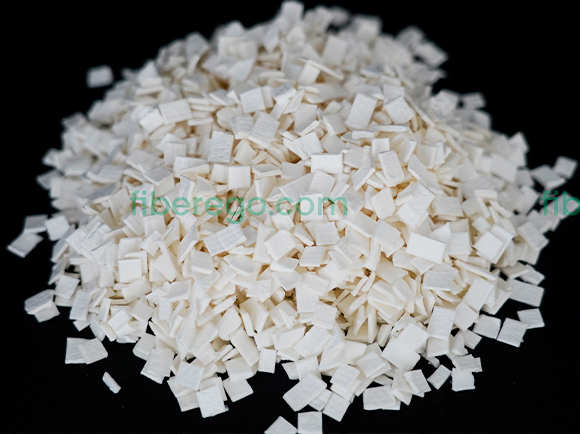
Cellulose fiber is derived from natural plants, such as wood or cotton. Through a series of processing steps, these natural raw materials can be transformed into short-fiber materials with a certain level of strength and structural stability. Unlike common synthetic fibers, cellulose fibers possess good hydrophilicity, meaning they can absorb and retain moisture.
Structurally, these fibers often contain microscopic pores, which means they function not merely as “reinforcing materials” in concrete, but rather as functional components capable of regulating moisture. This characteristic also determines that their mode of action in concrete differs from that of traditional fibers.
Why Add Fibers to Concrete?
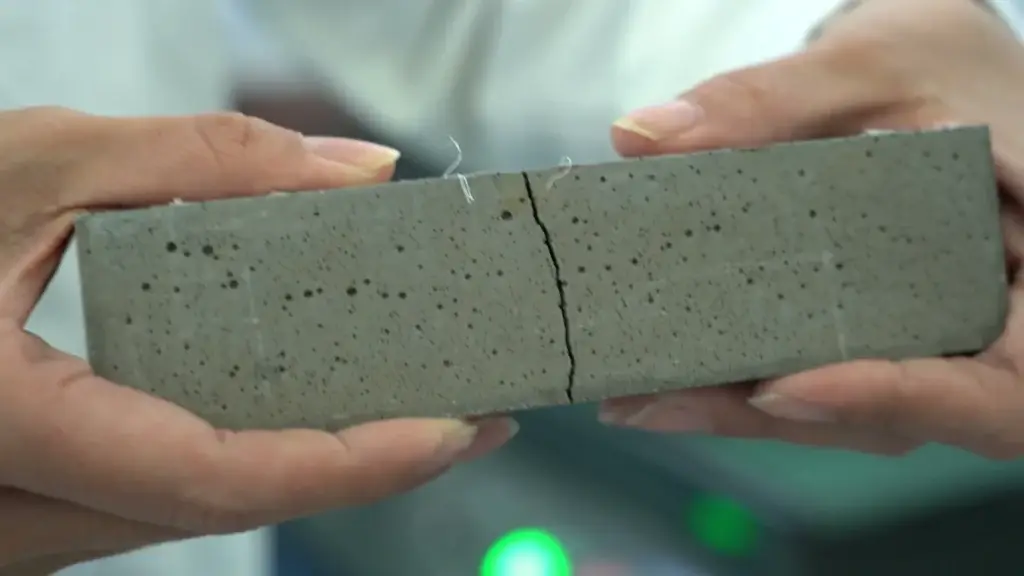
Concrete goes through a complex transformation from a fluid mix to a hardened solid. During this process, moisture loss and thermal changes can create internal stress, leading to microcracks. If these cracks are not controlled, they may gradually propagate, ultimately compromising structural safety.
Fibers help address this problem by forming a “bridging structure” at the microscopic level. When cracks begin to form, fibers act as bridges across the crack surfaces, limiting their growth and preventing further propagation.
This mechanism improves:
- Crack resistance
- Structural integrity
- Долговечность
However, not all fibers behave the same way. Steel fibers mainly enhance strength, while synthetic fibers improve flexibility. Cellulose fibers, on the other hand, offer a different type of benefit.
How Cellulose Fiber Works in Concrete
Once целлюлозные волокна are incorporated into concrete, they first absorb a portion of the mixing water. This water does not immediately participate in the cement reaction but is temporarily stored within the fibers. As the concrete gradually hardens and moisture decreases, this water is slowly released.
This process can be understood as a form of “internal curing.” It helps the cement continue to hydrate over a longer period, thereby reducing shrinkage issues caused by moisture loss to some extent. At the same time, this slow release of water also helps improve the microstructure of the concrete, making the interior more uniform.
This process helps:
- Maintain hydration over a longer period
- Reduce shrinkage caused by water loss
- Improve the uniformity of the microstructure
Furthermore, the uniform distribution of the fibers within the concrete enhances the mixture’s cohesion. During construction, workers will find the material easier to work with, as it is less prone to segregation or bleeding—a positive factor for ensuring consistent construction quality.
Performance of Cellulose Fiber Concrete: Strength, Durability, and Limitations
One of the most common questions is whether cellulose fiber makes concrete stronger. The answer depends on the application.
Для normal-strength concrete (such as C30 or C35), the addition of cellulose fiber typically results in minimal changes in compressive strength. In some cases, there may be slight increases or decreases, but overall, the difference is not significant.
Для high-strength concrete (C40 and above), the situation becomes more complex. Some studies and field applications have shown a tendency for compressive strength to decrease slightly when cellulose fiber is added.
This suggests that cellulose fiber is not primarily a strength-enhancing material. Instead, it should be viewed as a performance modifier.
In terms of durability, particularly permeability resistance, the results are also mixed. In normal-strength concrete, cellulose fiber may slightly improve resistance to water penetration. However, in high-strength mixes, performance may vary and requires careful evaluation.
Challenges of Using Cellulose Fiber in Concrete Applications
Despite its advantages, cellulose fiber concrete is not without challenges.
One key issue is the lack of standardized guidelines. Compared to стальное волокно or synthetic fiber concrete, there are fewer established specifications for cellulose fiber use. This can lead to inconsistent application across different projects.
Another challenge is fiber dispersion. If the fibers are not evenly distributed during mixing, they can form clumps, which negatively affect the quality and performance of the concrete. Proper mixing procedures are essential to ensure uniform distribution.
Construction control is also critical. Extended transportation time or improper handling may reduce the effectiveness of the fibers and compromise the overall performance of the mix.
Best Practices for Using Cellulose Fiber in Concrete
To achieve optimal results, cellulose fiber should be used with a well-designed approach.
Material quality is the first priority. Consistent fiber size, strength, and chemical stability are essential for predictable performance.
Mixing procedures should be carefully controlled. A common practice is to first dry-mix the fibers with aggregates to improve dispersion, followed by the addition of water and admixtures. Adequate mixing time is necessary to prevent fiber clumping.
It is also important to match the material to the application. Cellulose fiber is particularly suitable for projects where crack control and workability are more important than maximizing compressive strength.
Future Trends of Cellulose Fiber in Sustainable Construction Materials
As the construction industry moves toward greener and more sustainable materials, cellulose fiber offers clear environmental advantages. It is renewable, biodegradable, and derived from natural sources, making it an attractive option for eco-conscious projects.
However, its performance characteristics require a balanced understanding. It is not a universal replacement for other fibers, but rather a complementary material that serves specific functions.
With further research, improved product consistency, and the development of standardized guidelines, cellulose fiber concrete has the potential to become a valuable component in modern construction.
FAQs About Cellulose Fiber Concrete
1. What is cellulose fiber in concrete?
Cellulose fiber is a plant-based material added to concrete to improve crack resistance, moisture control, and workability.
2. Does cellulose fiber increase concrete strength?
Not significantly. It mainly improves performance rather than increasing compressive strength.
3. Is cellulose fiber better than polypropylene fiber?
They serve different purposes. Полипропиленовое волокно is better for crack reinforcement, while cellulose fiber helps with moisture control and workability.
4. Can cellulose fiber reduce concrete cracking?
Yes, it helps reduce shrinkage cracking by retaining and slowly releasing water inside the concrete.
5. Is cellulose fiber concrete suitable for high-strength applications?
Generally not recommended, as it may slightly reduce strength and increase permeability in high-strength concrete.
Conclusion: Is Cellulose Fiber Concrete the Right Choice?
Cellulose fiber concrete represents a different approach to improving concrete performance. Instead of focusing solely on strength, it enhances internal curing, reduces shrinkage, and improves workability.
While it may not be suitable for every application—especially high-strength concrete—it offers meaningful benefits in the right context.
For engineers, contractors, and material suppliers, the key is not just adopting new materials, but understanding how and where to use them effectively. When applied correctly, cellulose fiber can play a practical role in building more durable and sustainable structures.


